 Montenegro
About the country
Montenegro
About the country
Until 1992 the official state language had been Serbo-Croatian according to the state Constitution. Since 1992 up to 2007 it had been a ljekavian dialect of Serbian (srpski jezik ijekavskog izgovora – Serb.). Since October 22, 2007 the official language of Montenegro Republic has been Montenegrin which is a jekavski/štokavski dialect of Serbo-Croatian.
According to an opinion poll held in 2003 the fifth part of the Montenegrins consider the Montenegrin to be their native language and for more than 63% of the population it is Serbian language. This fact could be hardly surprising since 32% of the republic population are the Serbs and naturally have Serbian as their native language. However since 2004 they haven’t been teaching Serbian any more. The Serbian class was substituted by a new class called “native language” that unites Montenegrin, Serbian, Bosnian and Croatian languages.
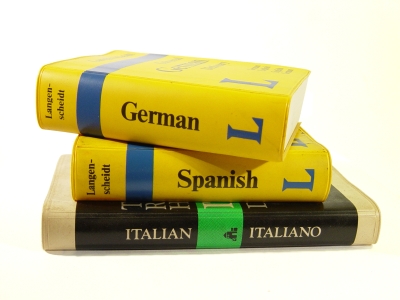
In general the language issue is still acute today. The problem concerning the Serbian language can be compared to the separation of Bosnian and Croatian languages. However there are some distinctions as well. For Croatian, Bosnian and Serbian languages there are literature standards defined while there are no such standards for Montenegrin language. Besides that people who speak Montenegrin dialects often say that their native language is Serbian.
Linguistic Structure
The Montenegrin dialect (jekavski, novoštokavski) is similar to dialects of West Herzegovina and Dubrovnik areas in Croatia. It has some vocabulary distinctions from standard Serbian, Bosnian and Croatian languages but these differences are insignificant (e.g. “sjutra” in Montenegrin instead of standard “sutra”).
People who stand for the independence of the Montenegrin language prefer Latin alphabet to Cyrillic alphabet. They suggest that the alphabet should include three more characters. However these characters are not to be considered to be phonemes since their corresponding sounds do not make contrastive pairs. Such characters are not universally used in Montenegro being commonly used in such regions as Bosanska Krajina and Herzegovina.
 Croatia
 Slovenia
 Albania